Cybernetic Attack Basics: 5 Simple Ways to Stay Safer
TL;DR
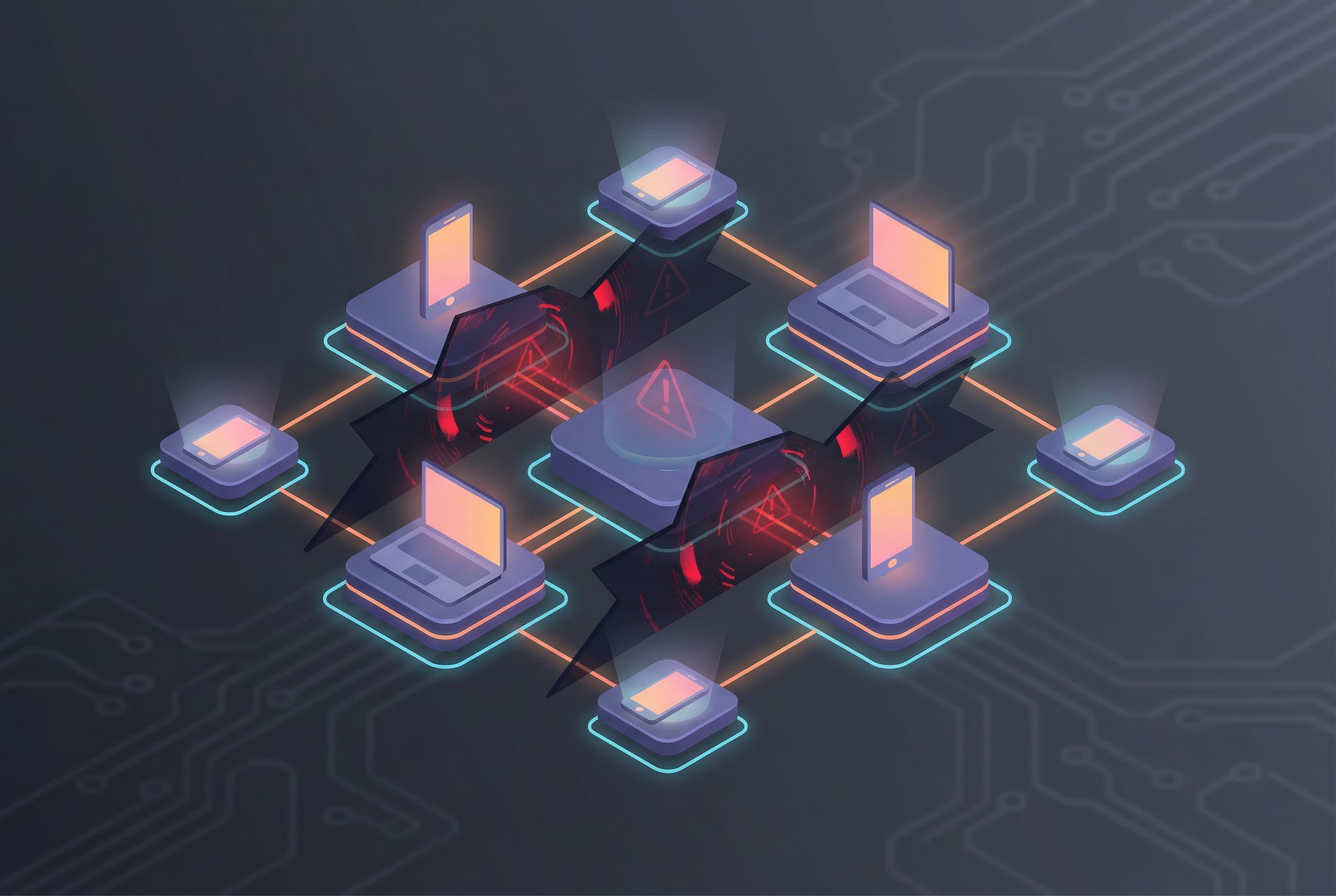
- A cybernetic attack is a deliberate attempt to access, disrupt, or steal from digital accounts, devices, or networks.
- Most incidents start with familiar weak points like phishing, reused passwords, outdated software, or malware downloads.
- Simple habits like unique passwords, password managers, and multi-factor authentication can dramatically lower your risk.
The Moment Your Digital Life Starts Feeling Off
You wake up, grab your phone, and notice something strange right away.
Your email is logged out. A social app is showing login activity from a city you have never visited. Your bank sends a verification prompt for a purchase you did not make.
For many people, that is the first real sign of a cybernetic attack.
Cybersecurity can feel abstract until something personal gets interrupted. But most people now store their lives across inboxes, cloud drives, shopping apps, streaming accounts, and work tools. When even one account is compromised, the ripple effects can move fast.
That is why understanding what a cybernetic attack actually is matters. It helps you spot risk earlier, respond faster, and build habits that make your digital life harder to exploit.

What Is a Cybernetic Attack?
A cybernetic attack is an intentional effort to gain unauthorized access to a digital system, account, device, or network.
The purpose can be different from case to case. Some attackers want passwords. Some want payment data. Others want to install malware, steal personal information, or use one compromised account to unlock several more.
According to IBM’s explanation of cyber attacks, these incidents can affect individuals, businesses, and governments alike. What matters for everyday users is that many attacks are now automated, opportunistic, and designed to scale.
That means a cybernetic attack does not need to be personal to become personal very quickly.
Why Online Attacks Keep Growing
Modern life runs on logins.
Email, banking, healthcare portals, ride-share apps, shopping accounts, work software, and social platforms all depend on digital credentials. The more accounts people manage, the more opportunities attackers have to test weak spots.
A cybernetic attack often succeeds because of convenience. People reuse passwords, delay updates, click messages too quickly, or store sensitive information in places that were never meant to protect it.
As noted in Rapid7’s overview of common cyber attacks, many threats combine social engineering with automation. In other words, attackers do not just rely on code. They rely on human behavior.
That is part of what makes today’s threat landscape feel so constant. The tools are getting faster, but the pressure points are still familiar.
Common Types of Cyber Attacks
Not every incident works the same way, but a few patterns show up again and again.
Phishing Attacks
Phishing messages are designed to look legitimate. They may imitate a delivery service, a bank, a streaming platform, or even someone you know.
The goal is simple: get you to click a link, open a file, or hand over login details before you pause long enough to question it.
Malware Infections
Malware is malicious software that can install itself through downloads, unsafe attachments, or compromised websites.
Once active, it may monitor behavior, steal information, or open the door to a larger cybernetic attack.
Ransomware
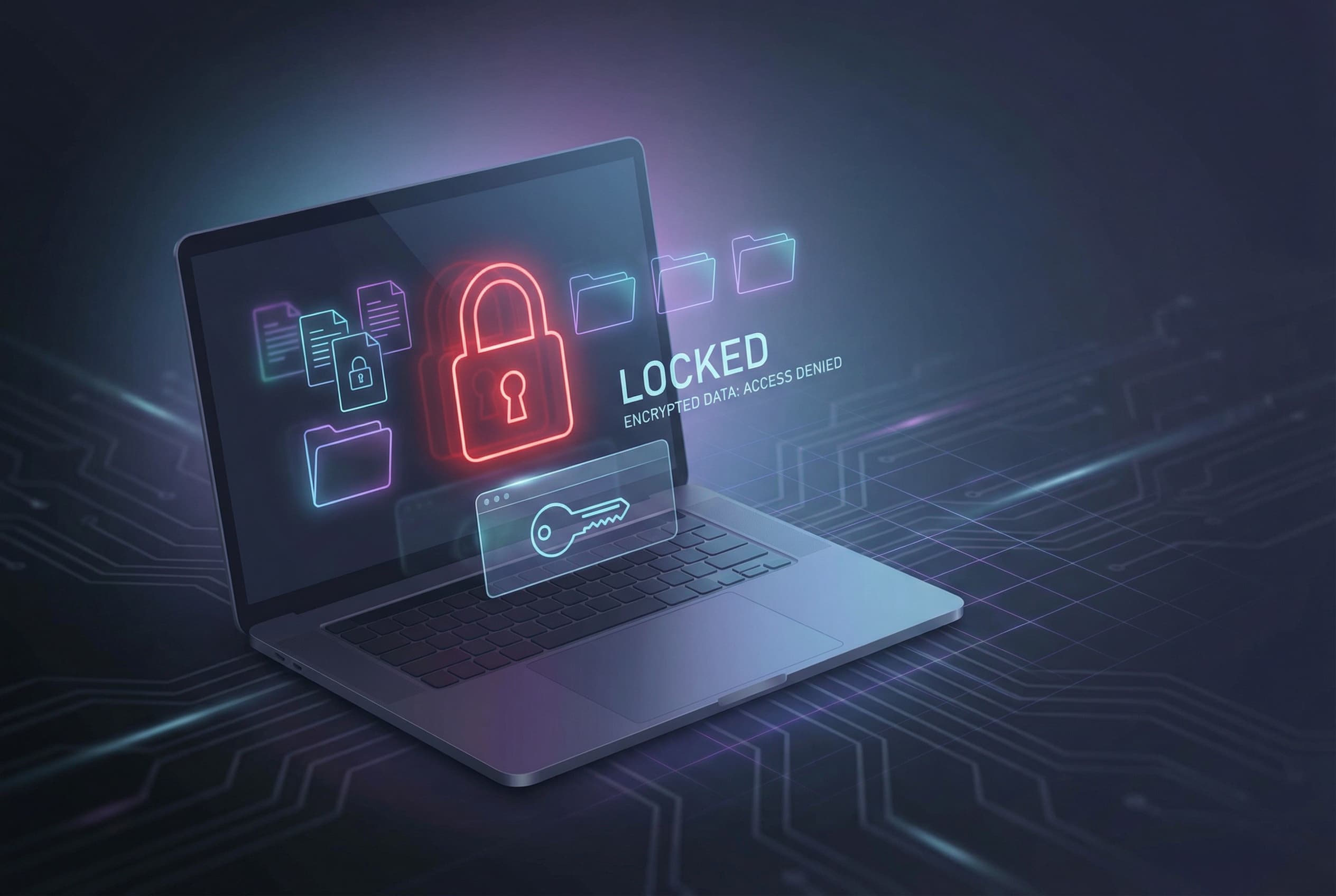
Ransomware locks files or systems and demands payment to restore access.
It is usually discussed in the context of companies or hospitals, but individuals can also be affected through infected devices or compromised accounts.
Credential Stuffing
Credential stuffing happens when attackers use username and password combinations exposed in old data breaches and test them on other services.
This is one reason password reuse remains such a serious issue. One exposed login can turn into several compromised accounts in minutes.
Fortinet’s breakdown of common cyber attacks shows how attackers often combine phishing, malware, and stolen credentials inside the same operation.

Why This Matters for Everyday Users
Cybersecurity headlines usually focus on giant companies and massive breaches. But the consequences rarely stay contained at the corporate level.
When personal credentials are exposed, attackers can move into inboxes, shopping profiles, cloud storage, and social accounts. From there, identity theft, payment fraud, and account takeover become much easier.
According to Proofpoint’s cyber attack reference, attackers often go after the easiest entry point rather than the most impressive target.
That entry point is often a personal account with weak login hygiene.
A cybernetic attack does not have to shut down a large company to create real damage. It just has to reach one account that connects to the rest of your digital life.
Everyday Habits That Make Attacks Easier
Many people imagine sophisticated hacking as something distant and highly technical. In reality, a lot of incidents succeed because of ordinary routines.
Password Reuse
Using the same password across multiple sites is still one of the biggest security risks online.
If one service is involved in a data breach, attackers can try those same credentials elsewhere. That is exactly how credential stuffing works.
Our article on why password reuse is still the #1 security risk breaks down why this habit remains so costly.
Ignoring Alerts
Unexpected login notifications, device prompts, and password reset emails are often early warnings. People dismiss them all the time because digital life already comes with constant notifications.
But in some cases, those alerts are the first signal that a cybernetic attack is already underway.
Clicking Too Fast
Phishing works because it catches people in motion. You are busy, you recognize the logo, and the message creates urgency.
That is often all an attacker needs.
Skipping Updates
Software updates can feel annoying, but they often include patches for known vulnerabilities.
Leaving devices and apps outdated makes them easier to exploit with automated tools.
Simple Habits That Lower Your Risk
You do not need to become deeply technical to protect yourself. Most defenses against a cybernetic attack are practical, repeatable, and surprisingly manageable.
Use Unique Passwords Everywhere
Every account should have its own password. That way, if one login is exposed, the damage stops there instead of spreading outward.
A password manager helps make this realistic, especially if you are managing dozens of accounts. Our guide on how to protect passwords with safer habits covers the basics.
Turn On Multi-Factor Authentication
Multi-factor authentication adds another layer beyond the password itself. Even if credentials are stolen, an attacker may still be blocked.
This is one of the easiest ways to reduce the fallout from a cybernetic attack.
Watch for Phishing Patterns
Slow down when a message demands urgent action, requests sensitive information, or pushes you toward a login page.
Pressure is one of the oldest tricks in the book because it still works.
Pay Attention to Breach Exposure
When companies are compromised, exposed credentials can circulate for years. Staying aware of breaches tied to your accounts gives you a chance to change passwords before someone else tests them.
That is also why understanding your broader digital identity matters. Your accounts are connected in ways that are easy to underestimate until something goes wrong.
Keep Devices and Apps Current
Updates do more than add features. They close holes attackers already know how to exploit.
If you want fewer opportunities for a cybernetic attack, consistent updates are one of the least glamorous but most effective habits you can build.

The TREASURELY Perspective
The real issue is not that people do not care about safety. It is that most security advice arrives too late, sounds too technical, or makes everyday protection feel exhausting.
TREASURELY sees digital safety differently. The goal is not fear. The goal is clarity, confidence, and habits that fit real life.
A cybernetic attack is less likely to succeed when safe behavior becomes easier than unsafe behavior. That means using better systems, reducing friction, and designing protection around how people actually live online.
Stay Smarter About the Threats Around You
The internet is not getting simpler. More accounts, more connected devices, and more data-sharing mean more openings for misuse.
But a cybernetic attack becomes much harder to pull off when you understand the tactics behind it and build smarter habits before something goes wrong.
Subscribe to the TREASURELY newsletter for breach alerts, digital safety insights, and smarter password protection that feels useful in real life.
Digital safety should feel empowering, not overwhelming.
Related Posts



Stay Ahead of Cyber Threats
Get weekly security tips, scam alerts, and digital privacy advice from TREASURELY.