Digital Identity Explained: Simple Ways to Stay Safer Online
TL;DR
- Your digital identity is the network of accounts, data, and login activity that represents you online.
- Weak passwords, data breaches, and phishing attacks can expose your digital identity and lead to account takeovers.
- Using password managers, multi-factor authentication, and better account habits dramatically reduces identity risk.
Why Your Digital Identity Matters More Than You Think
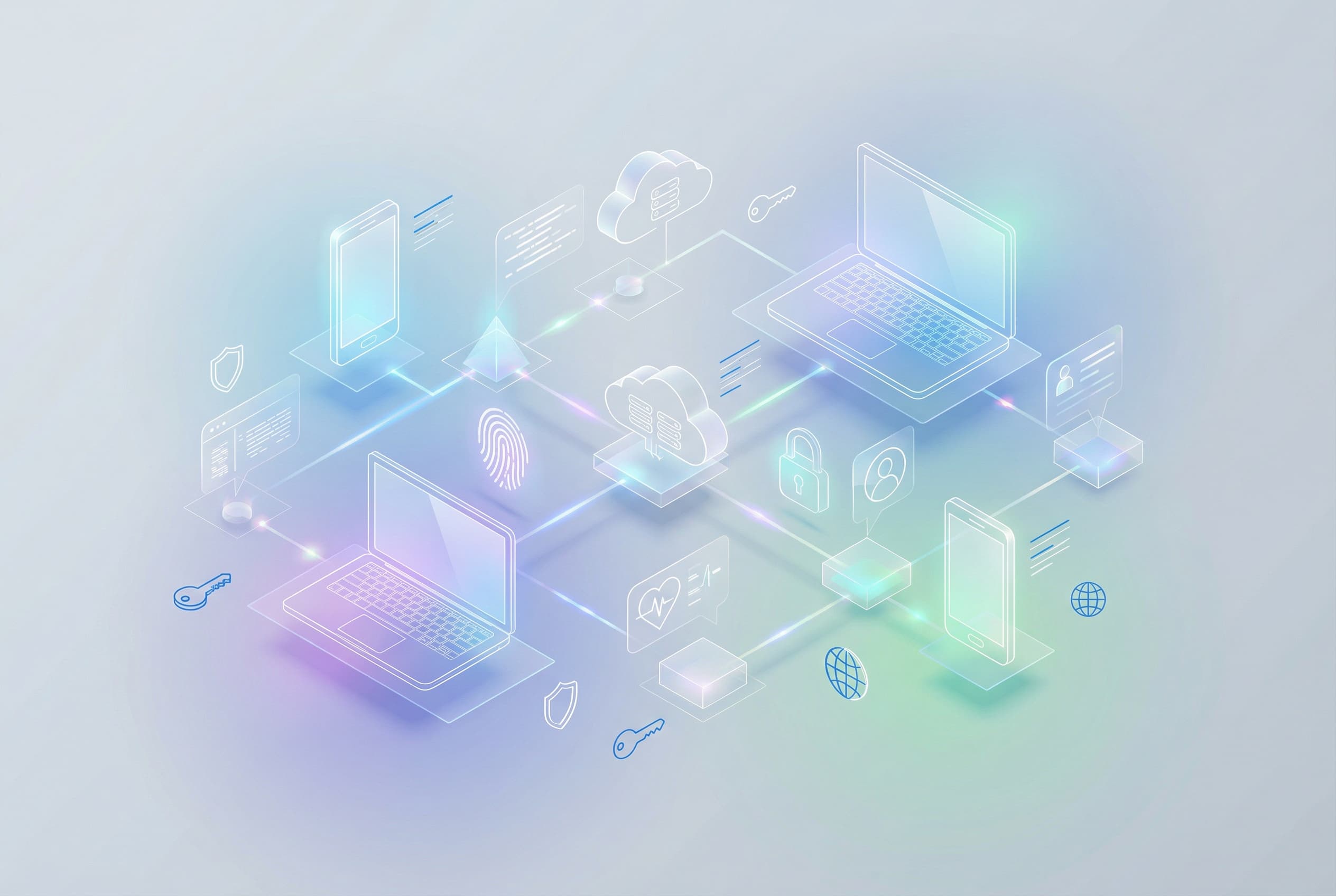
Every login you create contributes to your digital identity. It’s the invisible profile made up of your accounts, personal information, and online behaviors.
Most people think about identity in terms of documents like a driver’s license or passport. Online, however, identity works differently. Platforms recognize you through usernames, passwords, devices, and behavioral signals.
This digital identity determines whether you can access your email, banking apps, streaming services, and work accounts.
When attackers gain control of that identity, the consequences can ripple across dozens of services at once.
That’s why protecting your digital identity has become one of the most important habits in modern online life.

What a Digital Identity Actually Includes
Your digital identity isn’t just a single login. It’s the collection of data points that platforms use to verify you and personalize your experience.
Every time you create a new account or sign into an existing one, more signals get added to that identity profile.
According to IBM, identity systems allow organizations to verify users and manage access across digital environments.
Login Credentials
Usernames, email addresses, passwords, and recovery methods form the foundation of most online identity systems.
If those credentials are weak or reused across multiple sites, attackers can easily exploit them through credential stuffing attacks.
Device and Location Signals
Many services track the device you use, your IP address, and login location. These signals help detect suspicious activity and prevent unauthorized access.
Biometric Authentication
Face recognition, fingerprints, and passkeys are becoming more common ways to strengthen digital identity verification.
They reduce reliance on passwords alone, which remain one of the most common sources of security failures.
Why Digital Identity Is a Major Target for Cybercrime
Your digital identity unlocks access to the most valuable parts of your life online.
Email accounts, financial services, messaging platforms, and cloud storage all depend on identity verification.
Once attackers compromise one account, they often attempt to reset passwords on others.
This is how a single breach can escalate into a full account takeover.
Organizations use identity management systems to prevent these scenarios. As Oracle explains, controlling identity access is essential for protecting sensitive data.
For individuals, the concept is simpler: if someone can impersonate you online, they may be able to control your accounts.

Common Mistakes That Put Your Digital Identity at Risk
Most identity problems start with everyday habits rather than sophisticated hacking.
Small security shortcuts accumulate over time and create opportunities for attackers.
Password Reuse
Using the same password across multiple accounts dramatically increases identity risk.
When a website experiences a data breach, attackers often test stolen credentials across dozens of other services.
If passwords are reused, access spreads quickly.
You can learn more about this problem in why password reuse remains the #1 security risk.
Skipping Multi-Factor Authentication
Passwords alone are no longer enough to protect digital identity.
Multi-factor authentication adds a second verification step, such as a temporary code or biometric check.
This simple layer blocks most automated account takeover attempts.
Forgotten Accounts
Old apps and unused services expand your digital identity footprint without adding value.
Inactive accounts can still contain personal data and may be exposed in future breaches.
Oversharing Personal Information
Public social profiles and online forms sometimes reveal details attackers can use for identity verification questions.
Even small pieces of information can help someone impersonate you online.
Mitek notes that identity data has become central to how people access digital services, making protection increasingly important.
Simple Ways to Protect Your Digital Identity
Protecting your digital identity doesn’t require advanced technical knowledge. Most improvements come from a few consistent habits.
Use a Password Manager
Password managers generate strong, unique credentials for every account.
This prevents attackers from using one stolen password to unlock multiple services.
Our guide on how to protect passwords with safer habits explains how this works in practice.
Enable Multi-Factor Authentication Everywhere
Whenever possible, enable authentication apps, passkeys, or biometric verification.
This extra layer protects accounts even if passwords are exposed in a breach.
Monitor Breach Exposure
When companies experience data breaches, stolen credentials often circulate on the dark web.
Understanding how these markets work helps explain why compromised accounts spread so quickly.
Our breakdown of the dark web economy of stolen data explores this ecosystem.
Regularly Audit Your Accounts
Delete services you no longer use and review security settings on the ones you keep.
Reducing unnecessary accounts shrinks the overall size of your digital identity footprint.

The Future of Digital Identity Security
Identity systems are evolving quickly as companies try to reduce reliance on traditional passwords.
Passkeys, biometrics, and device-based authentication are becoming more common across major platforms.
These technologies aim to make identity verification safer while reducing friction for users.
Still, technology alone can’t solve identity risk.
Healthy digital habits remain one of the most effective defenses against phishing attacks, malware, and identity theft.
A Smarter Way to Think About Digital Identity
Your digital identity is the thread connecting nearly every part of modern life online.
From financial accounts to messaging platforms, identity verification determines who can access your information.
Understanding how that identity works makes it easier to recognize risks and build safer habits.
The goal isn’t perfect security. It’s reducing exposure so one mistake or breach doesn’t cascade across your entire digital life.
Want smarter ways to stay ahead of online threats?
Subscribe to the TREASURELY newsletter for breach alerts, digital safety insights, and practical ways to protect your passwords and personal data.
Related Posts

Digital Privacy: 10 Essential Steps for Safer Online Life
Web Footprint: 9 Hidden Risks Exposing Your Privacy

Digital Footprint Risks: 7 Critical Privacy Threats

Netiquette Rules: 7 Smart Habits for Better Online Behavior
Stay Ahead of Cyber Threats
Get weekly security tips, scam alerts, and digital privacy advice from TREASURELY.