Iran Conflict Cyber Threats: 9 Hidden Risks Exposing Users
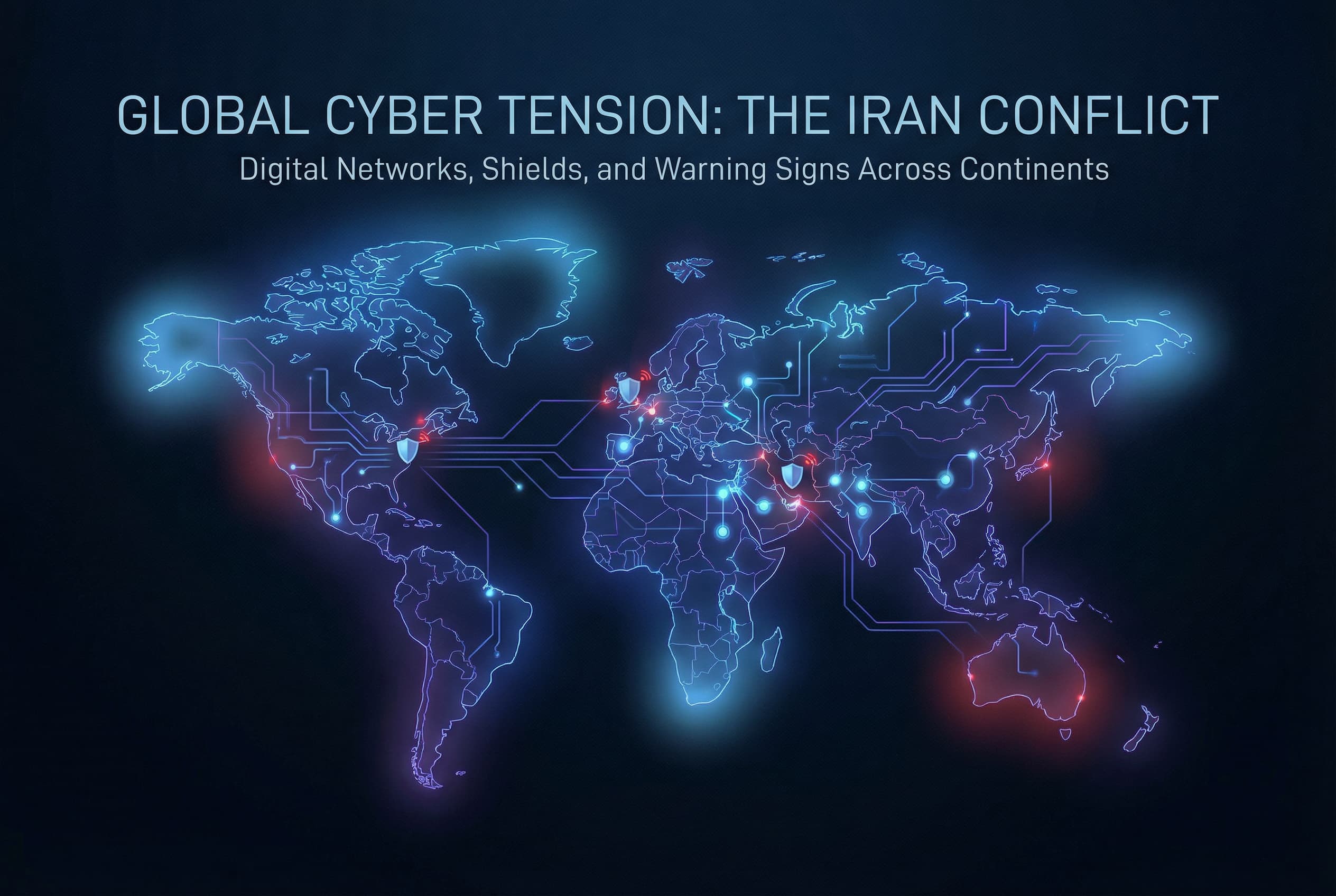
TL;DR
- The Iran Conflict is increasing global cyber activity, including phishing campaigns, malware distribution, and data breaches.
- Geopolitical tensions often create opportunities for cybercriminals to target everyday users.
- Simple habits like unique passwords, multi-factor authentication, and phishing awareness dramatically reduce your risk.
Why Iran Conflict Cyber Threats Are Showing Up Online
Most people think wars happen somewhere else. On distant battlefields, in government briefings, or across news headlines.
But modern conflicts also unfold quietly online. The Iran Conflict is no exception. Cybersecurity analysts are already seeing increased digital activity tied to the situation, ranging from phishing attacks to infrastructure probing.
These Iran Conflict cyber threats rarely look dramatic from the outside. They show up as fake emails, suspicious login alerts, or malware disguised as updates.
For everyday internet users, that means geopolitical tensions can unexpectedly affect personal accounts, passwords, and digital identities.

How the Iran Conflict Is Fueling Cybercrime
Cyber operations have become a normal extension of geopolitical tension. Governments, independent hacking groups, and cybercriminals often take advantage of instability.
During the Iran Conflict, security researchers have already reported renewed activity from state-linked cyber groups targeting infrastructure and businesses. Coverage from The Hacker News describes how Iranian-linked threat actors are expanding their digital operations.
Meanwhile policymakers are actively reassessing cyber strategy. Reporting from Politico explains how governments are revisiting national cybersecurity frameworks as the Iran Conflict evolves.
When global attention focuses on geopolitical news, cybercriminals often see an opportunity. They launch campaigns while users are distracted by headlines.
That environment fuels several types of Iran Conflict cyber threats.
- Phishing campaigns tied to breaking news
- Credential stuffing attacks using stolen passwords
- Infrastructure targeting and cyber espionage
Unfortunately, everyday users frequently become the easiest targets.
9 Iran Conflict Cyber Threats Emerging Right Now
1. Phishing Emails Disguised as News Alerts
Phishing attacks often surge during global crises. Cybercriminals create urgent messages related to the Iran Conflict, encouraging people to click links for updates.
These messages may claim to contain breaking news, security alerts, or leaked information.
Once the link is clicked, attackers can capture login credentials or install malware.
2. Fake Donation and Charity Campaigns
Another common tactic involves fraudulent charities. Scammers impersonate humanitarian organizations responding to the Iran Conflict.
Well-meaning users may unknowingly send money or personal information to fake websites.
3. Infrastructure Disruption Attempts
Critical infrastructure often becomes a strategic cyber target during international tensions.
Energy networks, communications systems, and transportation platforms may face probing or intrusion attempts.
Research discussed by Security Boulevard highlights how protecting infrastructure becomes essential during cyber warfare.
Even if individuals are not direct targets, disruptions can still affect daily digital services.
4. Social Media Manipulation
Information warfare is another dimension of Iran Conflict cyber threats.
Coordinated campaigns can spread misinformation, manipulate narratives, or amplify divisive content across social media platforms.
Because these campaigns mix real and misleading information, they can be difficult to identify.
5. Credential Stuffing Attacks
Cybercriminals often run automated credential stuffing campaigns during periods of distraction.
Using password databases from past data breaches, attackers attempt to log into thousands of accounts at once.
If you reuse passwords, those automated attacks can easily lead to account takeover.
This is why articles like Password Reuse: Why It’s Still the #1 Security Risk emphasize using unique credentials for every platform.

6. Malware Disguised as Security Tools
Attackers sometimes distribute malicious software disguised as security patches or cybersecurity tools.
During the Iran Conflict, some campaigns have promoted fake “security updates” designed to install spyware or remote access malware.
7. Supply Chain Attacks
Businesses connected to logistics, technology, and defense industries are especially attractive targets.
If attackers compromise one company, malware can spread through trusted software updates to other organizations.
8. Public Service App Targeting
Transportation apps, utility systems, and government platforms can also become targets during geopolitical conflict.
Coverage from CNBC highlights how cybersecurity agencies are warning about elevated risk across public-facing systems.
9. Data Breaches for Intelligence Gathering
Not every cyber attack is about immediate financial gain.
Some Iran Conflict cyber threats focus on collecting intelligence. Attackers may steal data from companies, organizations, or public systems to analyze later.
That information can include emails, internal documents, and identity data.
Common Digital Mistakes During Global Crises
Despite the sophistication of cyber attacks, most successful breaches still rely on simple human mistakes.
During geopolitical events like the Iran Conflict, several behaviors become especially risky.
- Reusing the same passwords across multiple services
- Clicking urgent links tied to breaking news
- Ignoring security updates
- Trusting emotional appeals without verification
These habits make it easier for attackers to move from phishing to full account takeover.
If you want to reduce your exposure to Iran Conflict cyber threats, improving digital hygiene is the most effective first step.
How to Protect Yourself From Iran Conflict Cyber Threats
Use Unique Passwords for Every Account
Password reuse dramatically increases the risk of credential stuffing attacks.
A password manager helps generate strong, unique passwords and store them securely.
Learn more in our guide on how to protect passwords from hackers.
Enable Multi-Factor Authentication
Multi-factor authentication adds an additional verification step, making it much harder for attackers to access accounts even if credentials are stolen.
Verify Information Before Clicking
If you receive a message claiming to contain urgent Iran Conflict updates, pause before clicking.
Visit trusted news sites directly instead of relying on links from emails or social media posts.
Install Software Updates Promptly
Security patches fix vulnerabilities that hackers actively exploit.
Keeping devices updated closes many of the most common entry points.
Understand Your Digital Footprint
Many attacks begin with personal data already exposed in previous breaches.
Understanding where your data lives online is a critical part of protecting your digital identity.
You can explore this further in our article on hidden digital footprint risks.

What the Iran Conflict Reveals About Modern Cybersecurity
One important lesson from the Iran Conflict is that cybersecurity is no longer limited to governments or large corporations.
Every personal account is part of a broader digital ecosystem. Email, banking apps, streaming platforms, and social media profiles all sit within the same global infrastructure.
When geopolitical tensions rise, attackers look for weaknesses anywhere they can find them.
Fortunately the most effective protection often comes from simple, consistent habits.
Unique passwords, multi-factor authentication, and phishing awareness dramatically reduce the likelihood of account compromise.
Stay Ahead of Emerging Cyber Threats
The Iran Conflict is a reminder that cyber risks evolve alongside world events.
While individuals cannot control global politics, everyone can strengthen their own digital safety.
Small changes — stronger passwords, smarter tools, and better awareness — create a powerful layer of protection.
If you want smarter ways to stay ahead of emerging cyber threats, subscribe to the TREASURELY newsletter.
You’ll receive breach alerts, digital safety insights, and practical strategies to protect your online life without adding friction to your day.
Related Posts



Stay Ahead of Cyber Threats
Get weekly security tips, scam alerts, and digital privacy advice from TREASURELY.